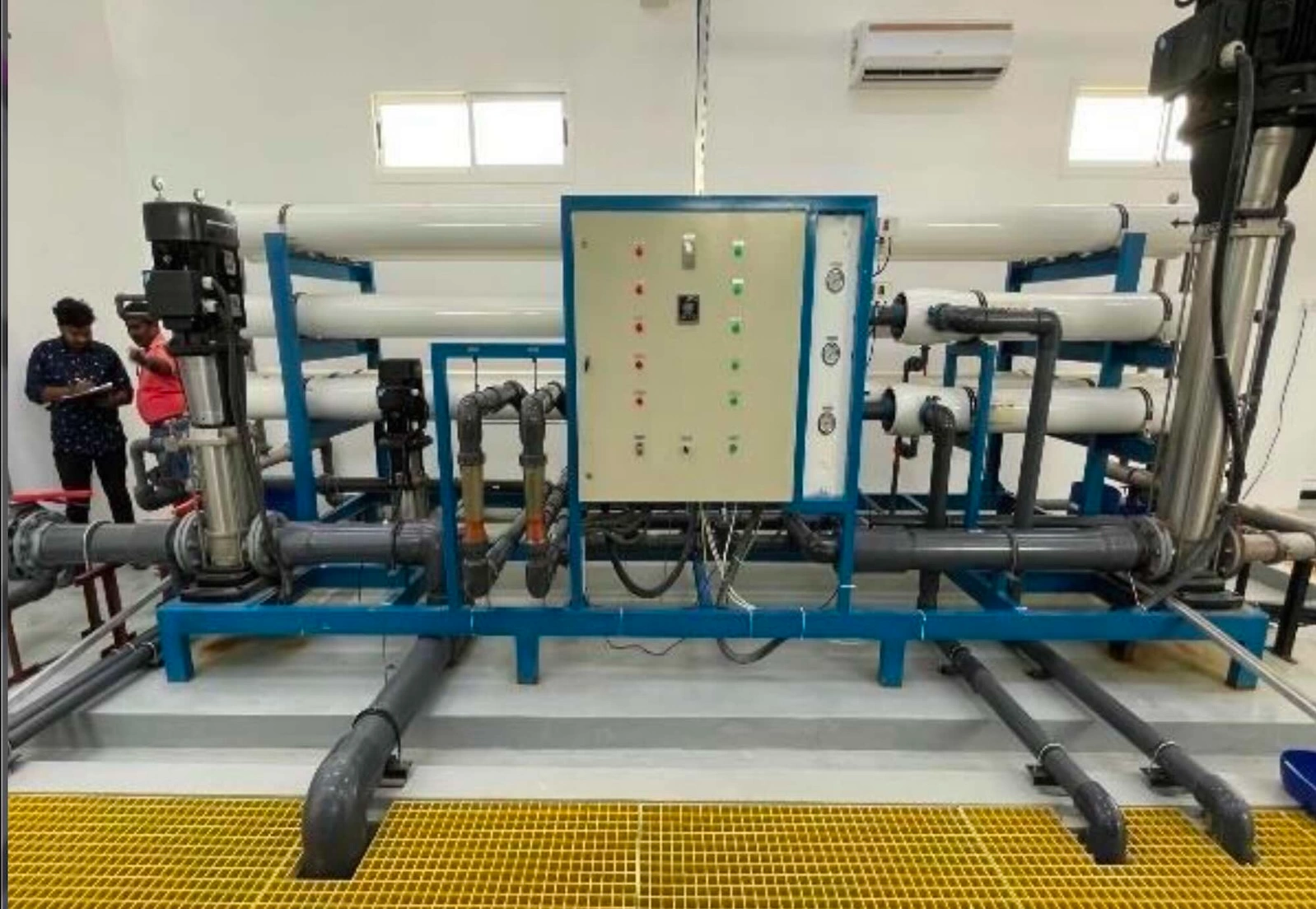
From Breakdown to Breakthrough: How We Completely Rebuilt a Farm’s Water Treatment System
When a client approached MI Technical with a failing water treatment system and a very specific need for ultra-pure irrigation water below 50 ppm TDS for fruit and vegetable cultivation, we knew this would be one of our most demanding refurbishment projects to date. What followed was a complete end-to-end renovation. Old infrastructure was dismantled, a brand-new plant room was constructed from bare land, and an entirely redesigned RO system was commissioned without a single compromise on quality or output.
This is the story of how we turned a broken-down brackish water treatment facility into a high-performance, purpose-built irrigation water plant producing 1,000 m³ per day of clean water.
Here is a video from the site.
The Challenge: An Aging System That Simply Couldn't Deliver
The client’s farm already operated a large-capacity seawater desalination system, but it was never engineered for agricultural irrigation. For fruit and vegetable crops, water quality is critical. TDS levels must be kept extremely low, below 50 ppm, to avoid soil degradation and crop damage. Their existing seawater system was not designed with this in mind.
They also had an older brackish water RO plant fed by a borewell source, rated at 1,000 m³/day. On paper, this was the right starting point. In reality, the system had deteriorated beyond repair. Membranes were exhausted, media filters were non-functional, all mechanical and plumbing systems were in a state of failure, and the plant room itself had no air conditioning or adequate infrastructure to support reliable operations.
The system was not underperforming. It had completely stopped.
Our Approach: Engineering First, Then Execution
Before a single pipe was lifted, our engineering team began with a detailed assessment of the borewell water, including its TDS levels, salinity profile, and chemical composition. This data drove every decision that followed, including membrane selection, chemical pre-treatment dosing design, pre-filtration sizing, and post-treatment requirements. Getting the water quality right on paper before committing to hardware is what separates good water engineering from guesswork.
The project was structured across five clear stages:

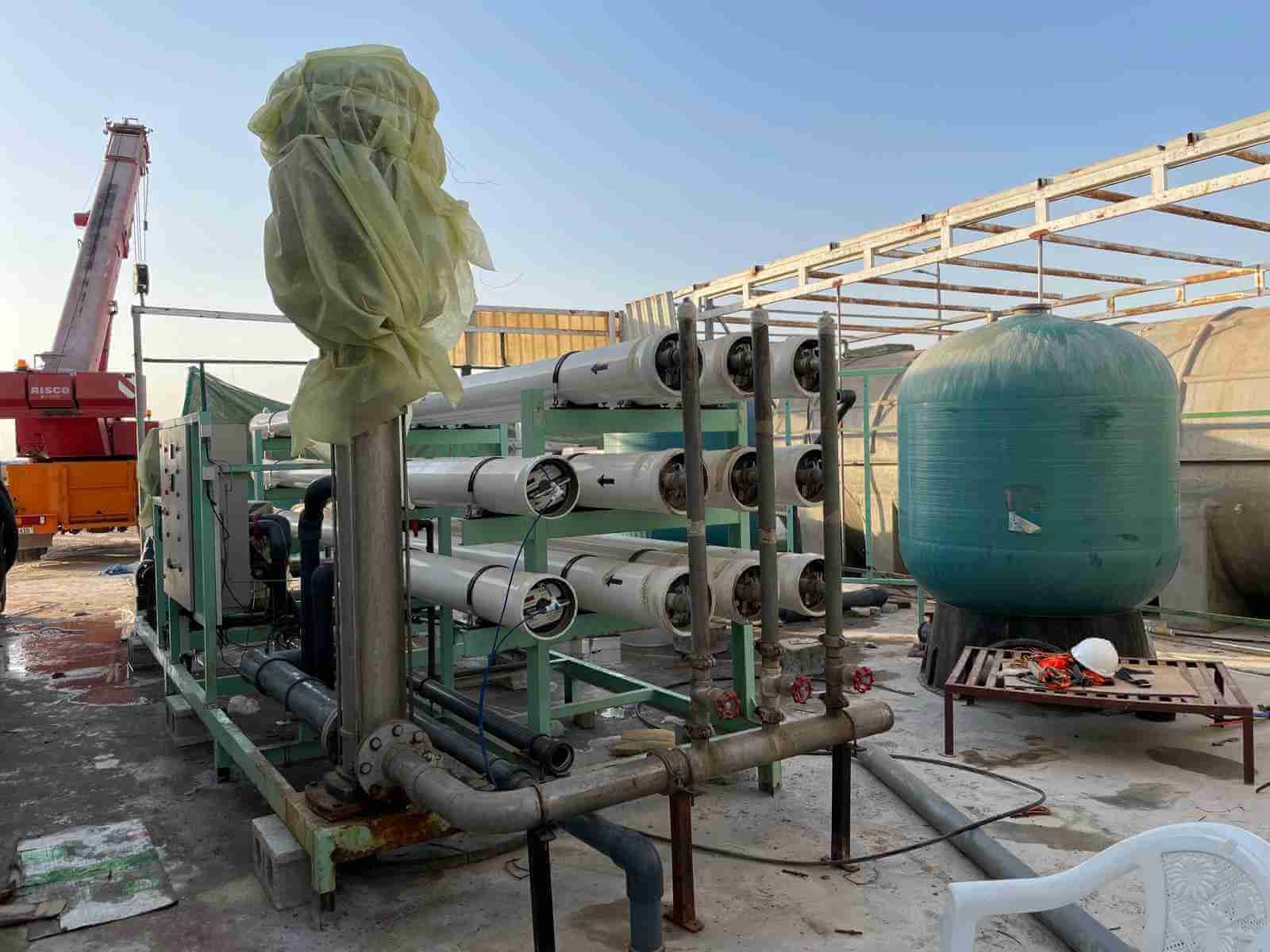
Stage 1- Dismantling the Existing RO Unit
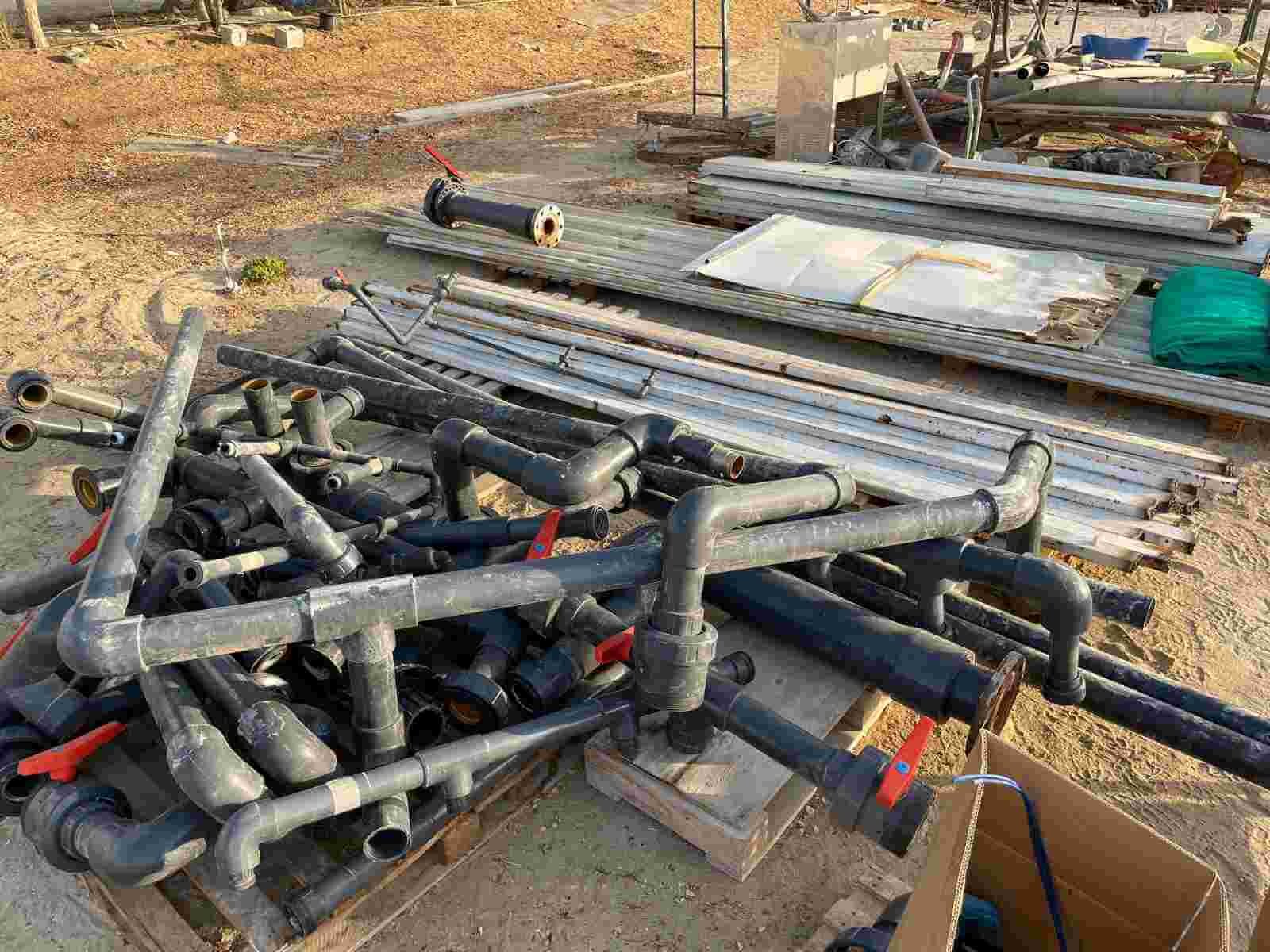
The old plant was carefully decommissioned and fully dismantled. All usable equipment such as pumps, pressure vessels, tanks, and structural components was catalogued for relocation and reuse. Nothing was discarded without evaluation.
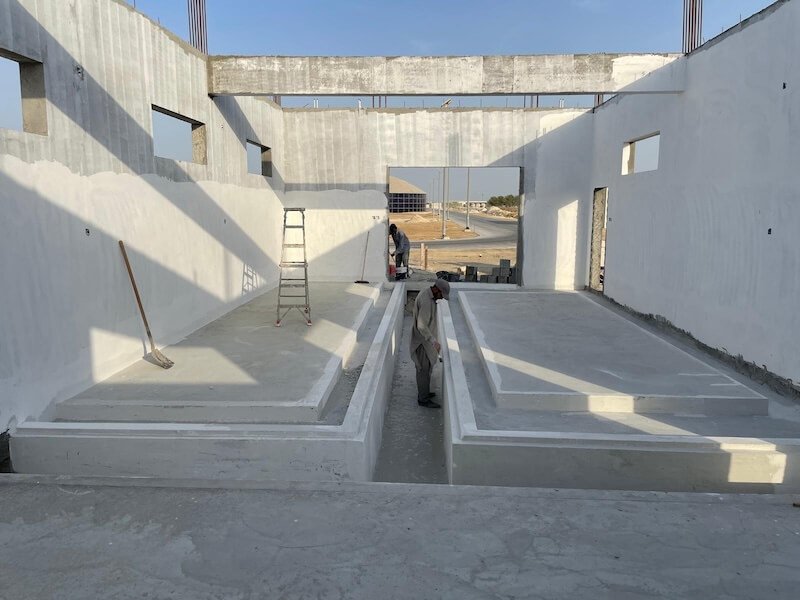
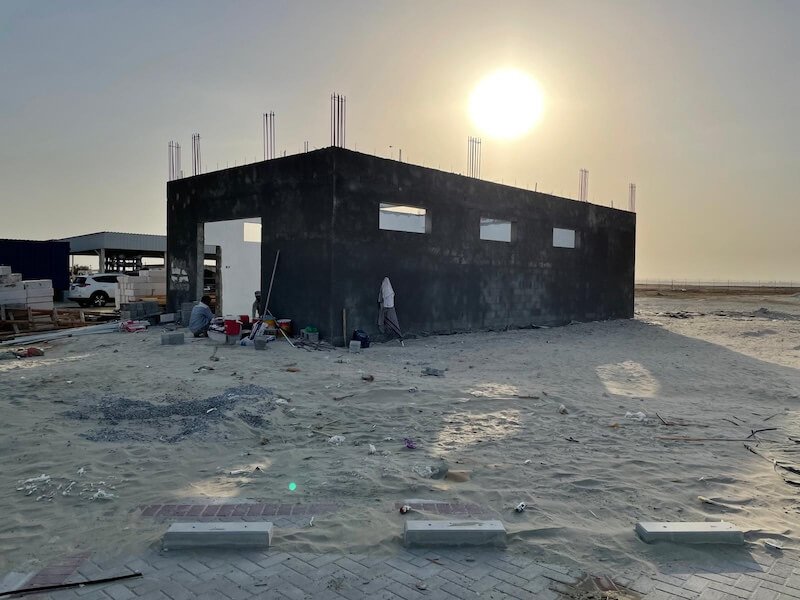
Stage 2 — Construction of the New Plant Room
On a bare plot at the designated new location, our civil and MEP teams designed and constructed a purpose-built plant room from the ground up.
Every detail was considered, including -
- underground channel gratings for below-floor plumbing,
- routed electrical lines that would not interfere with future maintenance,
- dedicated chemical and consumable storage,
- a separate workshop area, and
- a full air conditioning system to protect sensitive membranes and equipment from Bahrain’s heat.

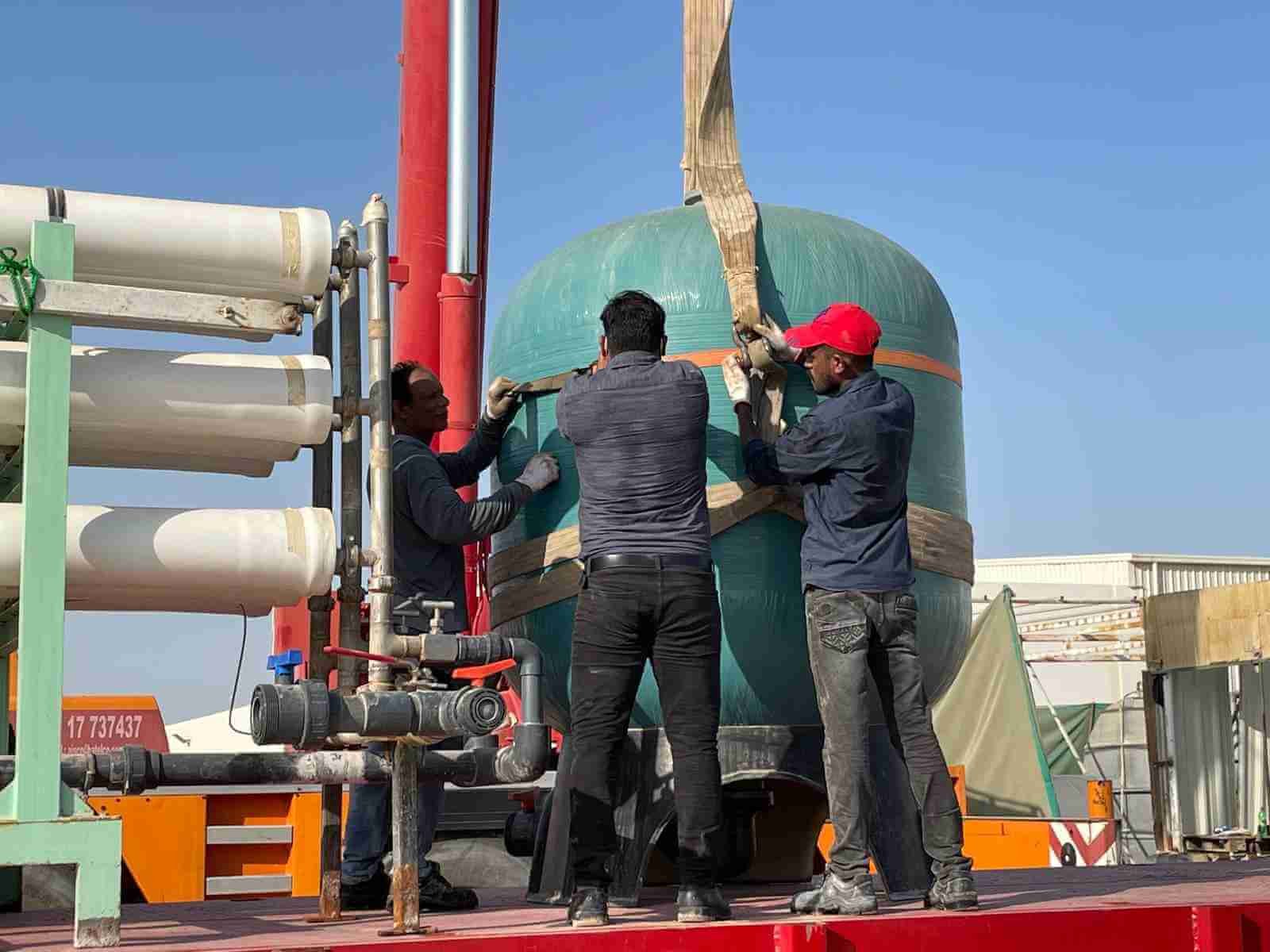
Stage 3 — Equipment Relocation to the New Plant Room
Dismantled equipment including filters, pumps, pressure vessels, and the existing water storage tanks was transported using trucks and cranes to the new location. No new tanks were procured. Every existing tank was carefully shifted, cleaned, and repositioned. Additional tanks were added at the new site to increase product water storage capacity.
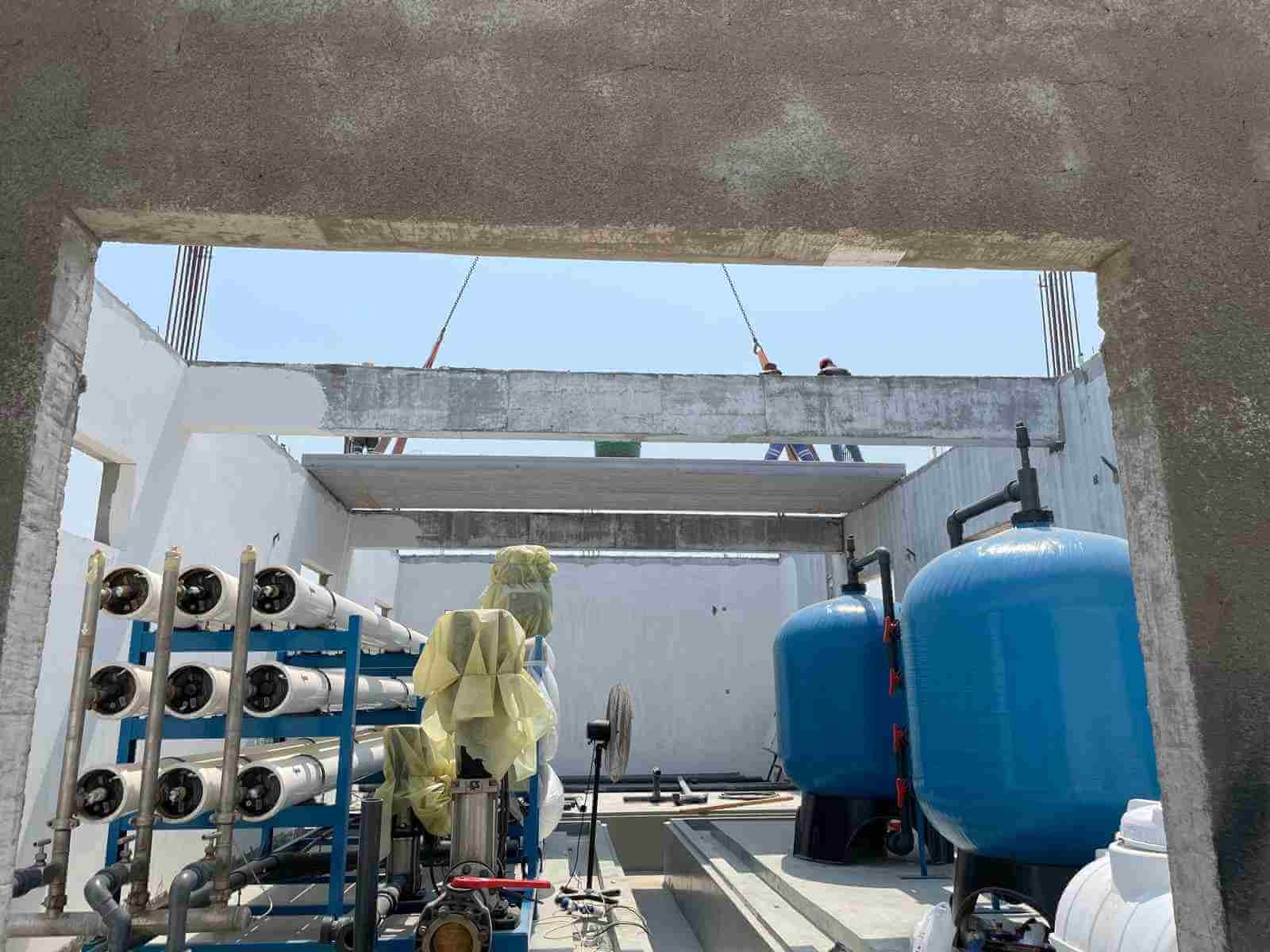
Stage 4 — Full System Rebuild and Upgrade
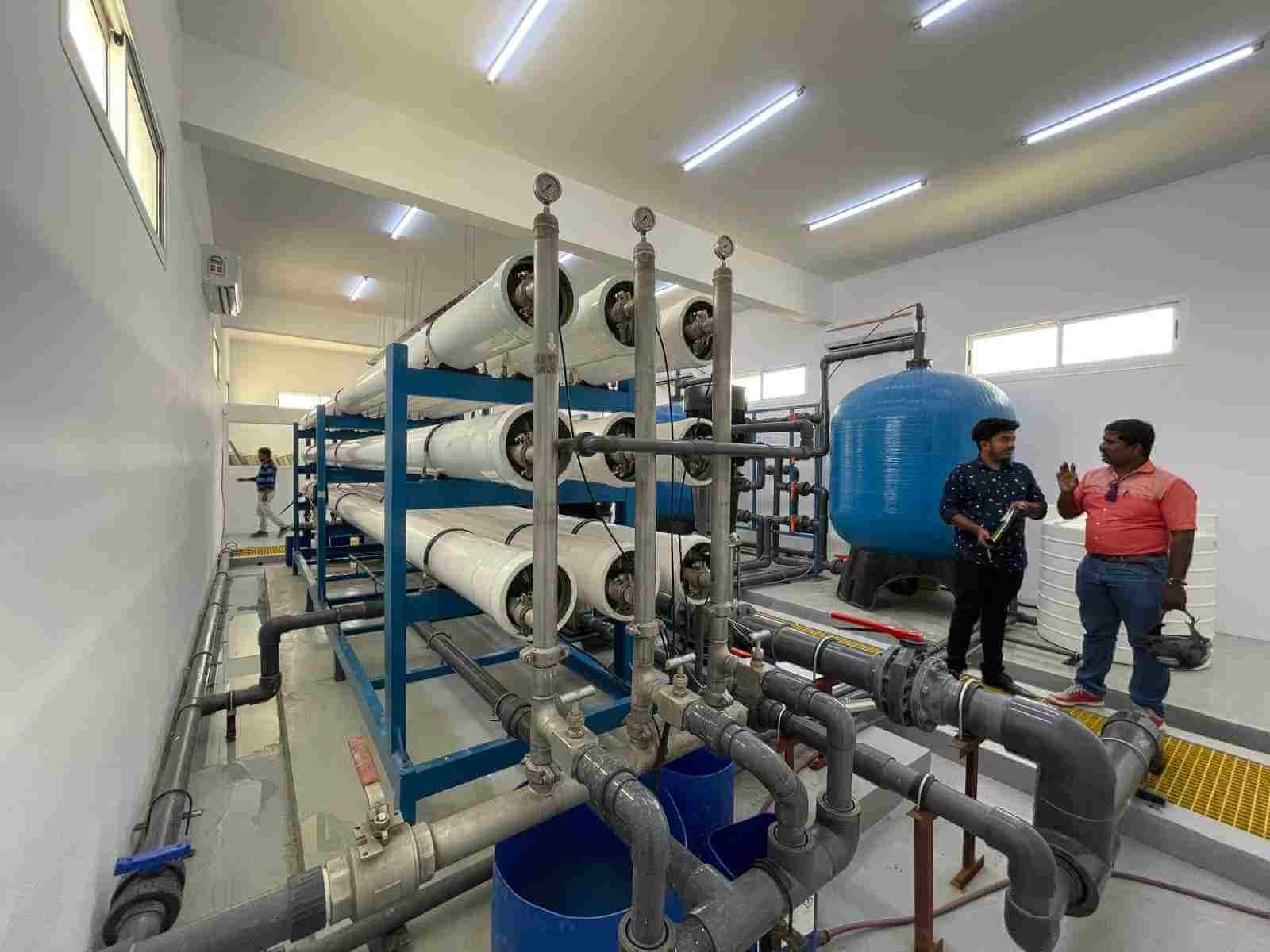
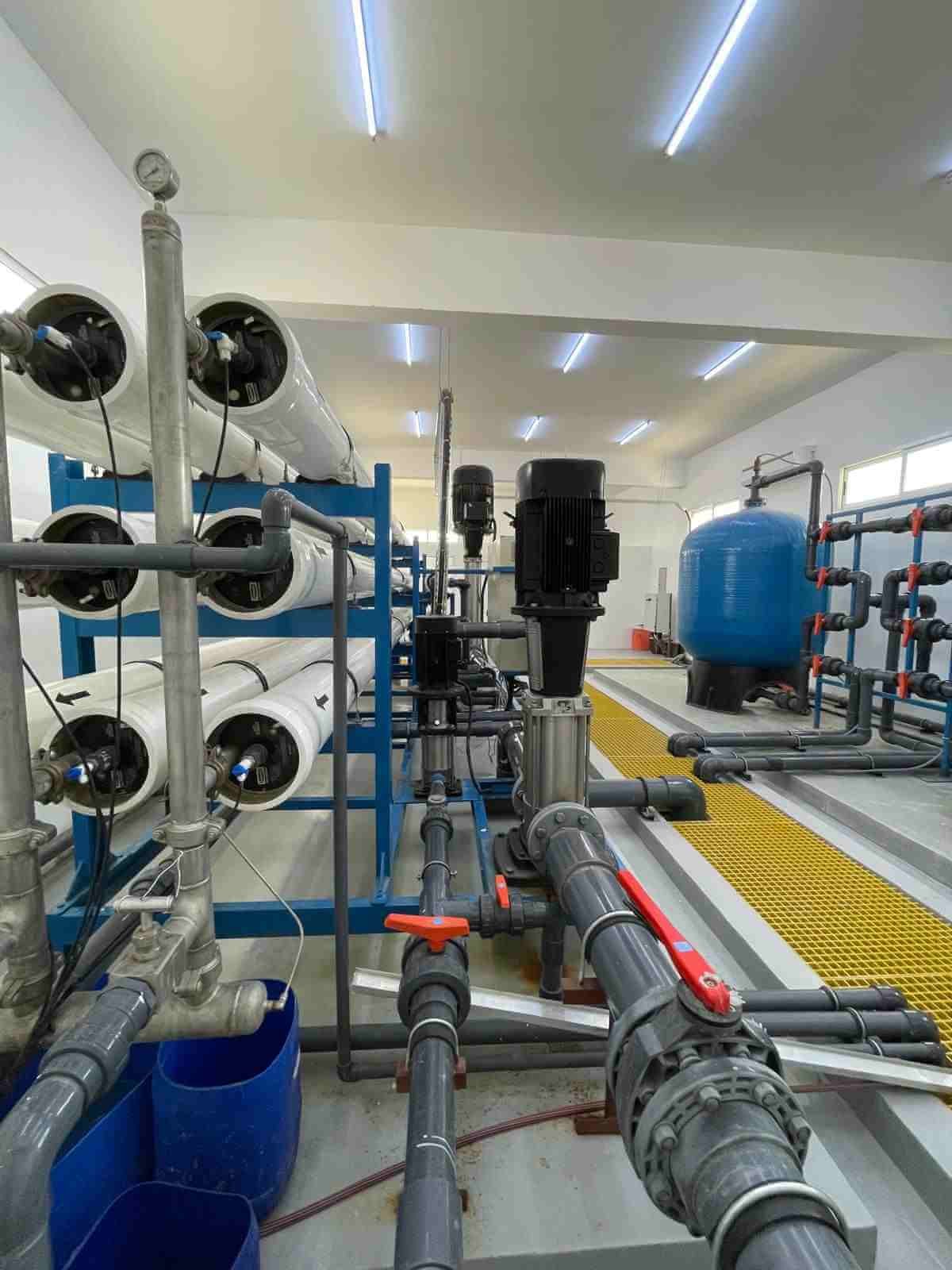
This was the heart of the project. The borewell supply line was extended and connected to the new facility. A completely new pre-filtration train was installed, followed by a redesigned chemical dosing system for pre-treatment. Purpose-selected brackish water RO membranes were installed, chosen specifically to achieve sub-50 ppm TDS output from high-salinity borewell feedwater. All PVC pipework was replaced, stainless steel fittings were installed throughout, and the complete system was rebuilt to current engineering standards.
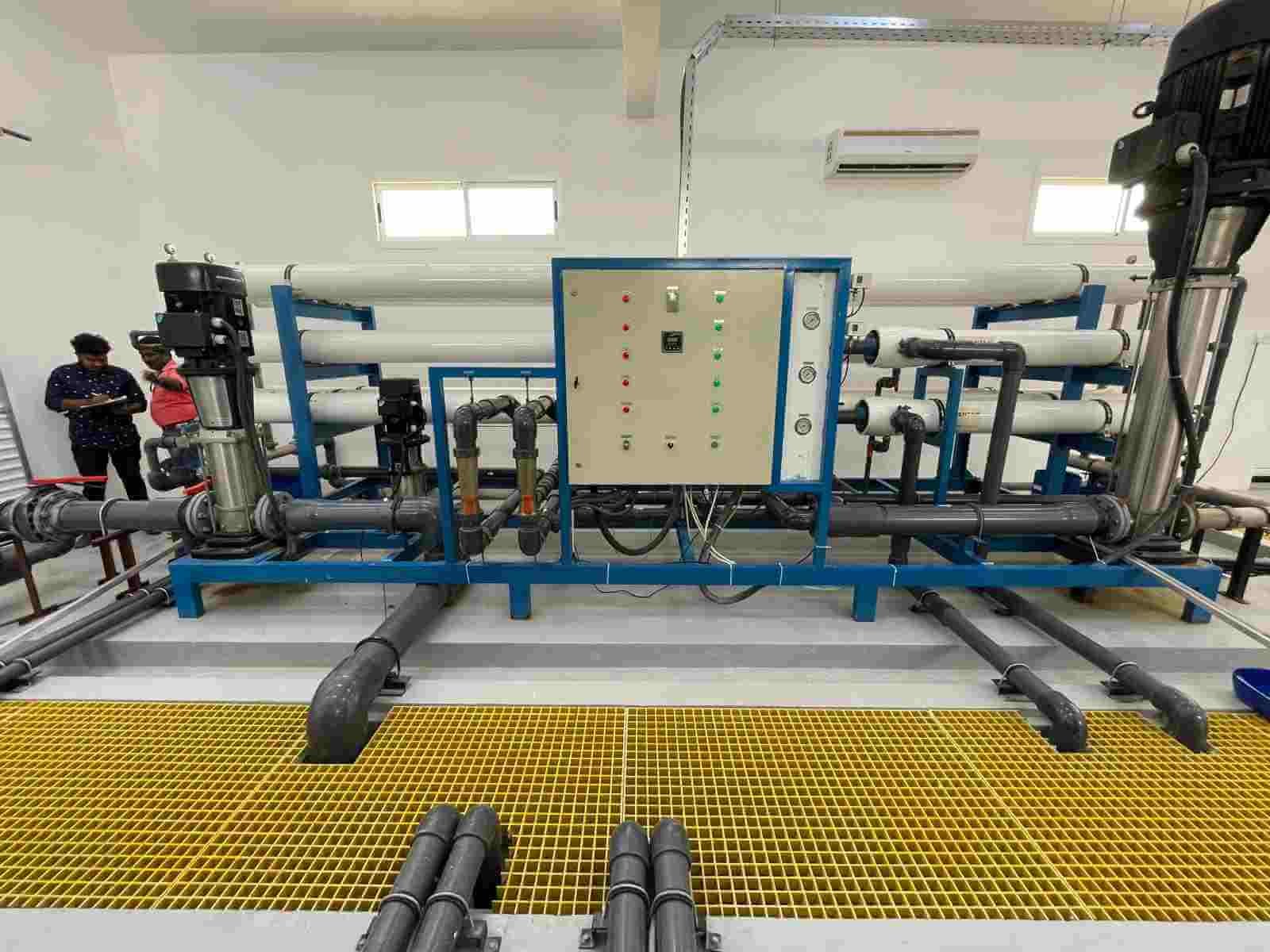
Stage 5 — Testing and Commissioning
The system was brought online in a structured commissioning process: borewell feed water to pre-filtration, to chemical pre-treatment, to RO membranes, to post-treatment, to product water storage, and finally to irrigation distribution. Every stage was verified before the next was activated. The system achieved the target water quality on first commissioning, with no redesign or rework required.
The Result: Pure Water, Reliable Production, Every Day
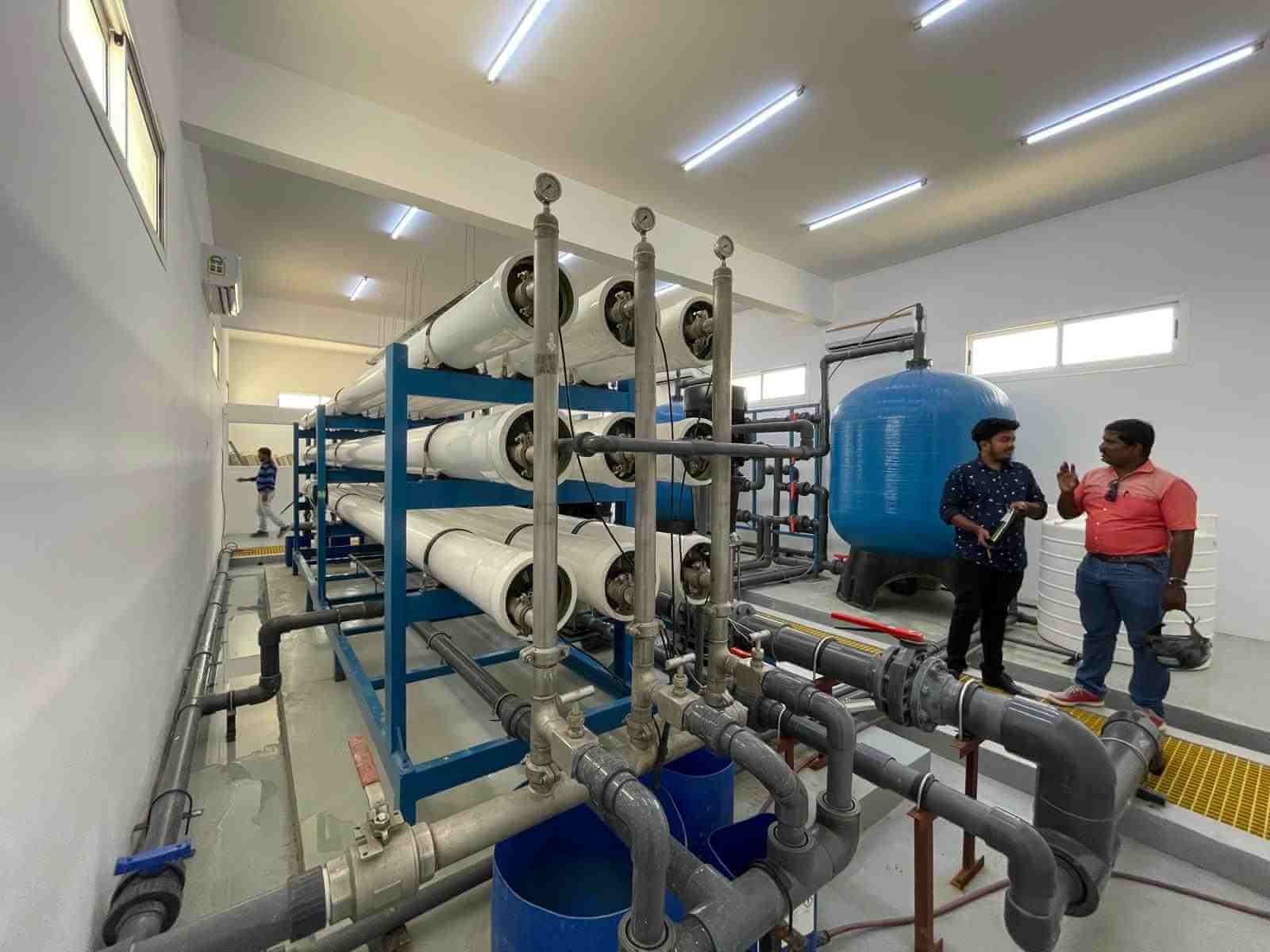
The new plant room is a controlled, well-organised environment that is accessible, maintainable, and built for long-term reliable operation.
What This Project Reflects About MI Technical
At MI Technical, we believe challenges demand solutions and that excellence is not optional. That belief shows in how we approach every project, with engineering rigour before procurement, lifecycle thinking before the first bolt is turned, and the determination to commission correctly the first time.
From design and civil works to membrane selection, equipment relocation, MEP installation, and commissioning, this project demonstrates what complete lifecycle responsibility looks like in practice.
If your water treatment system is underperforming, outdated, or simply not built for what you need it to do, we are ready to help.
MI Technical Trading Co. W.L.L is a Bahrain-based water treatment engineering company specialising in reverse osmosis systems, pre-treatment solutions, MEP services, and complete water management from design through commissioning and long-term maintenance.
Contact MI Technical and talk to our experts.