Bringing Global Expertise to Bahrain’s Water Industry – Technical Seminar & Workshop on “Optimising RO Performance & Reducing Operational Costs”



Across the Kingdom water is currently produced through a mix of Reverse Osmosis (RO) and thermal technologies, and new SWRO capacity is being developed to keep pace with growing demand and long-term water security.
The industry needs:
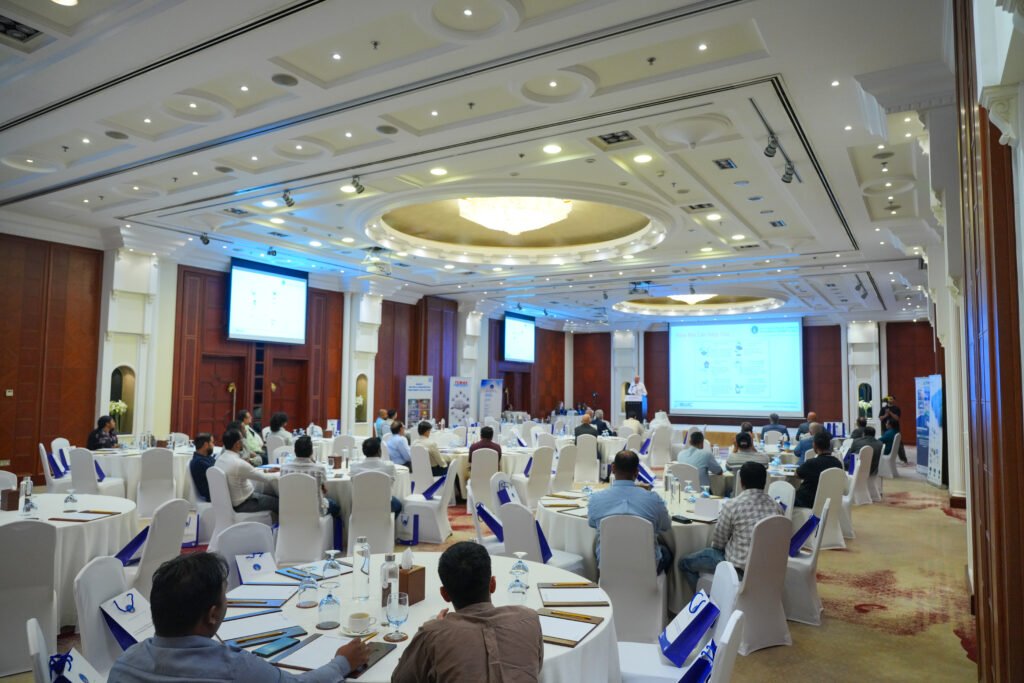
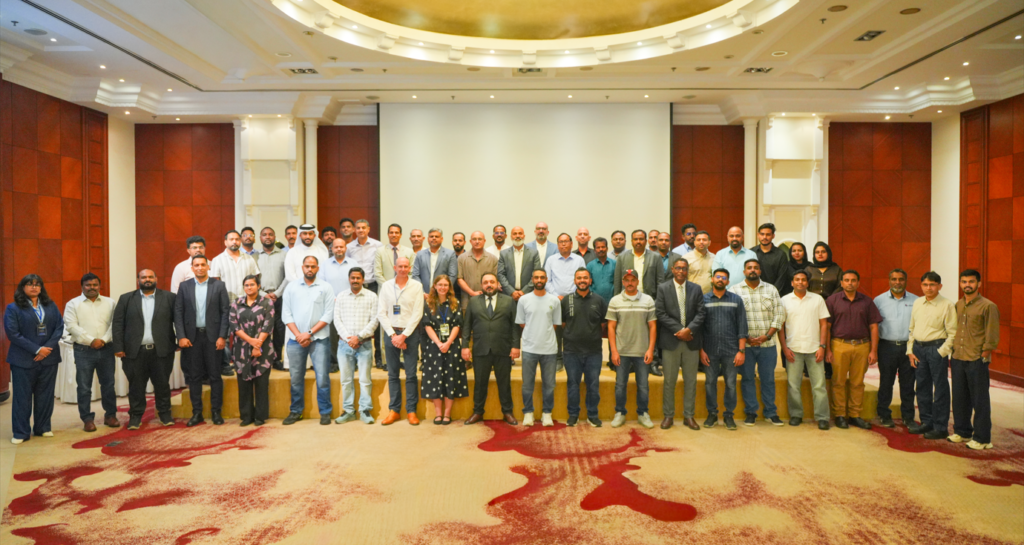
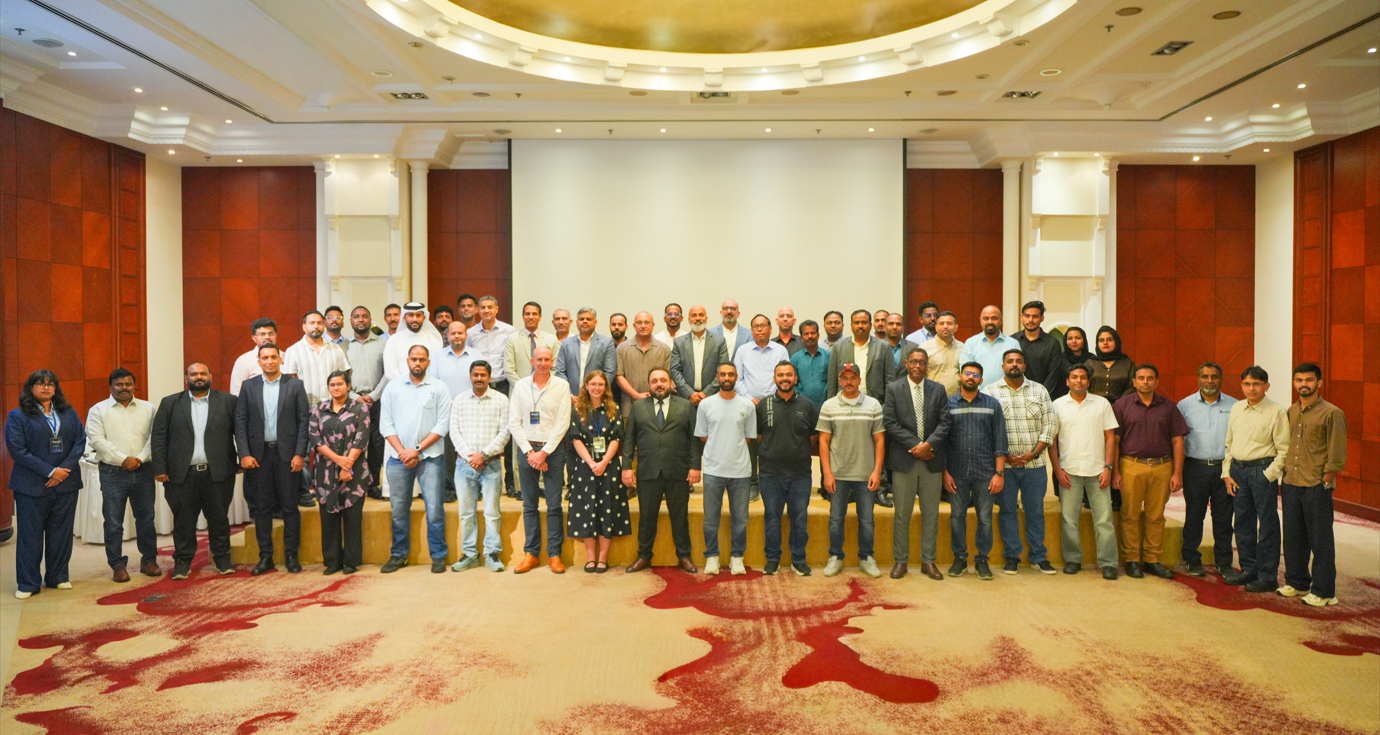
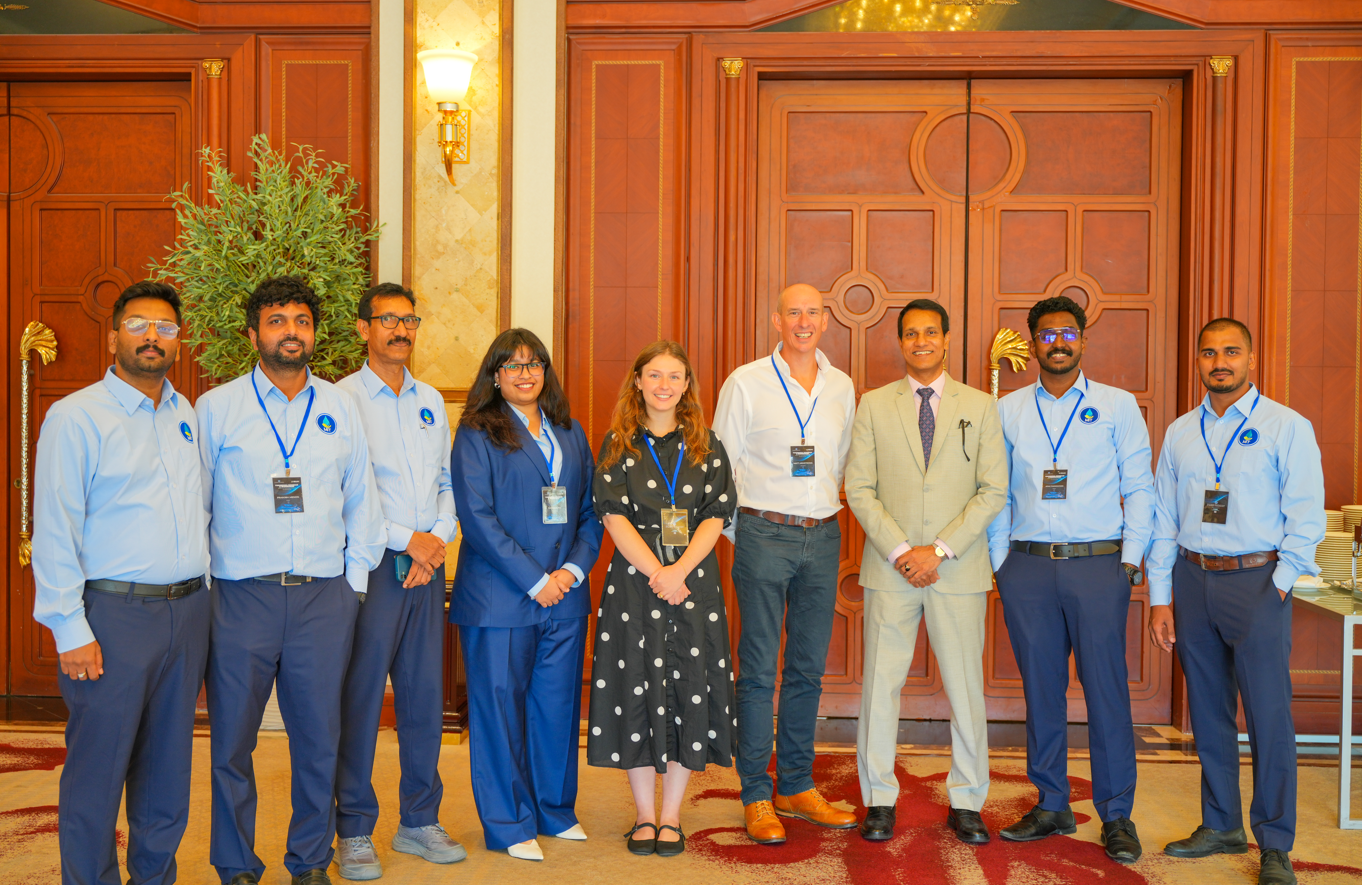
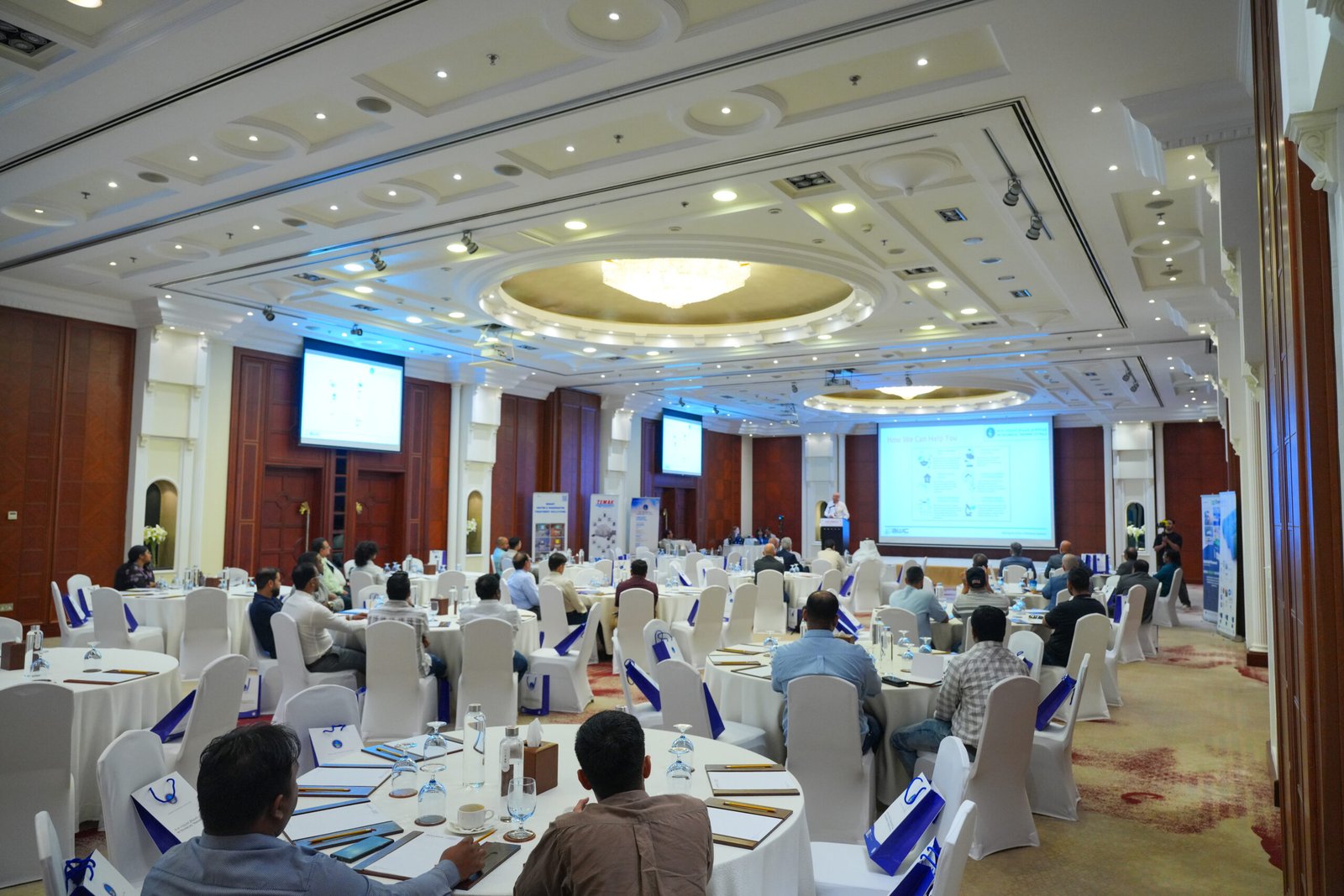
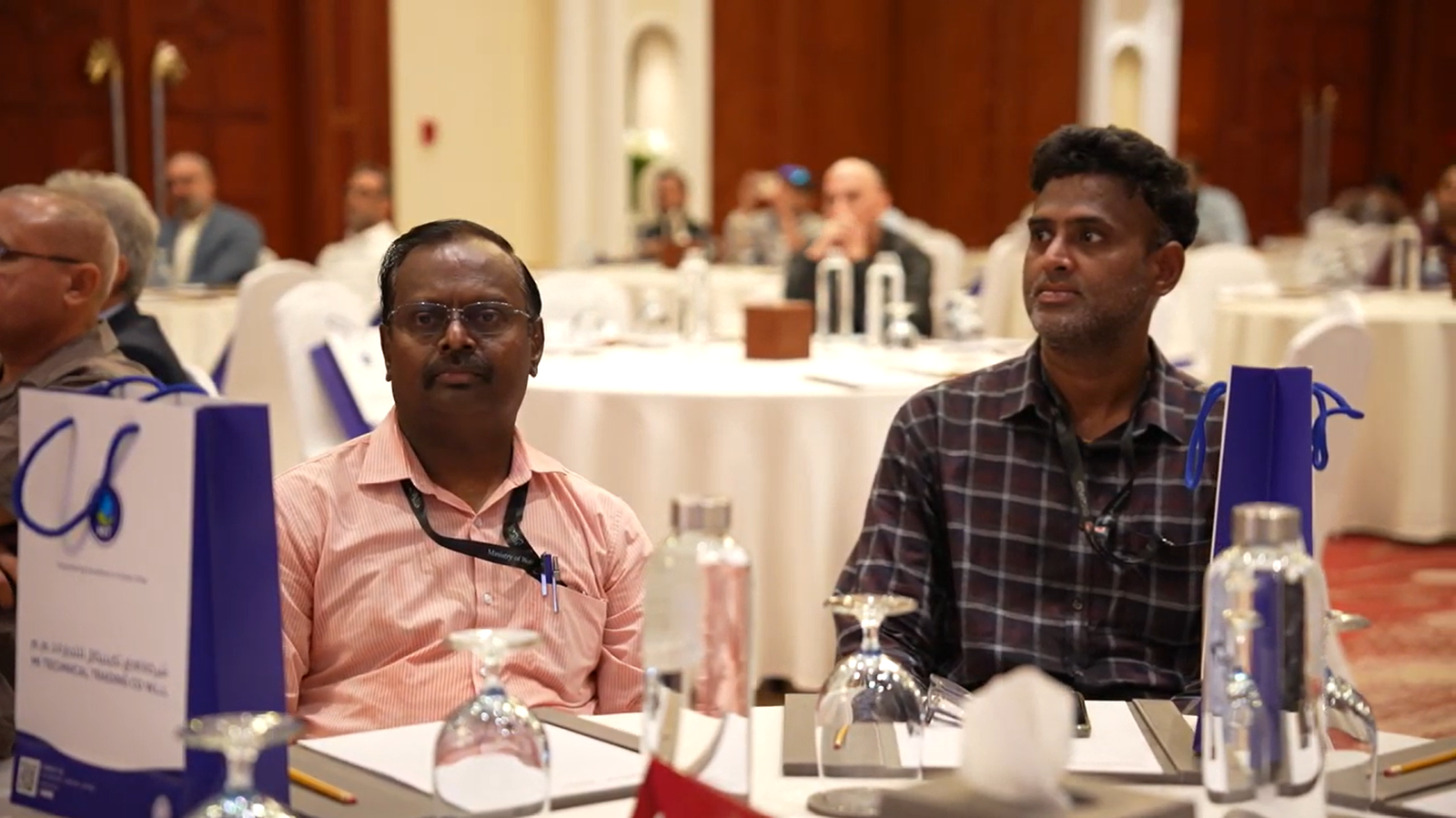
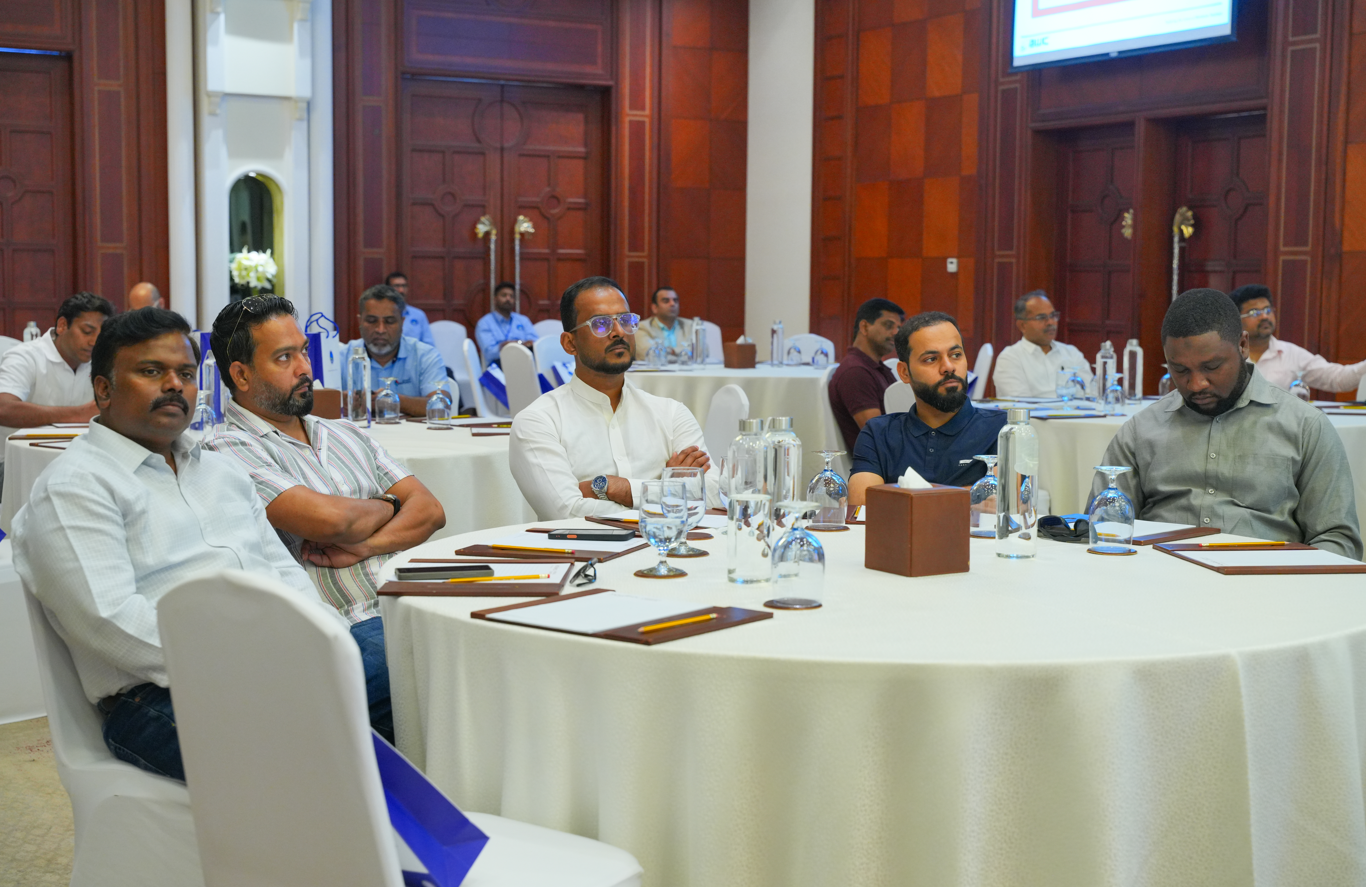
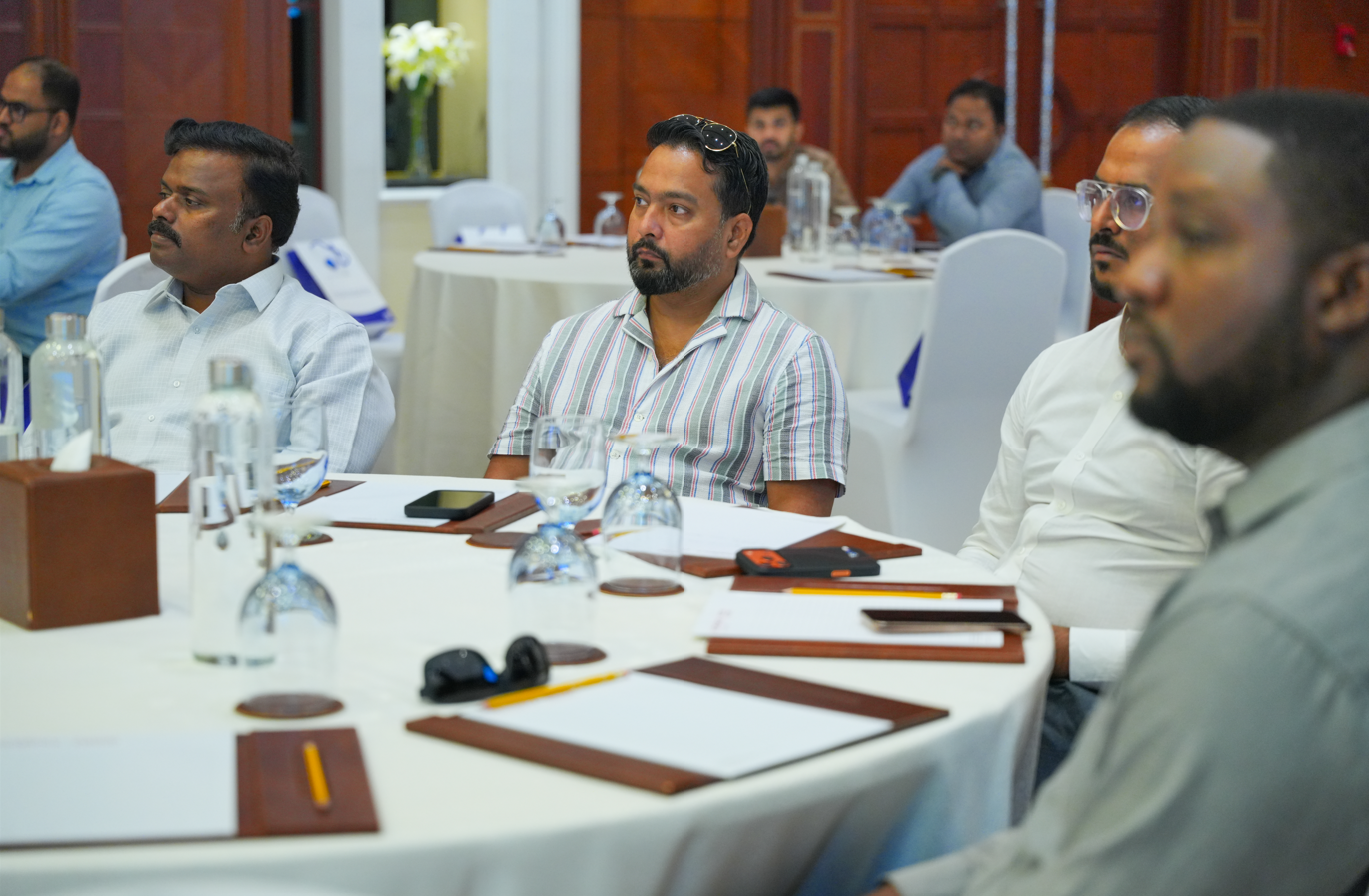
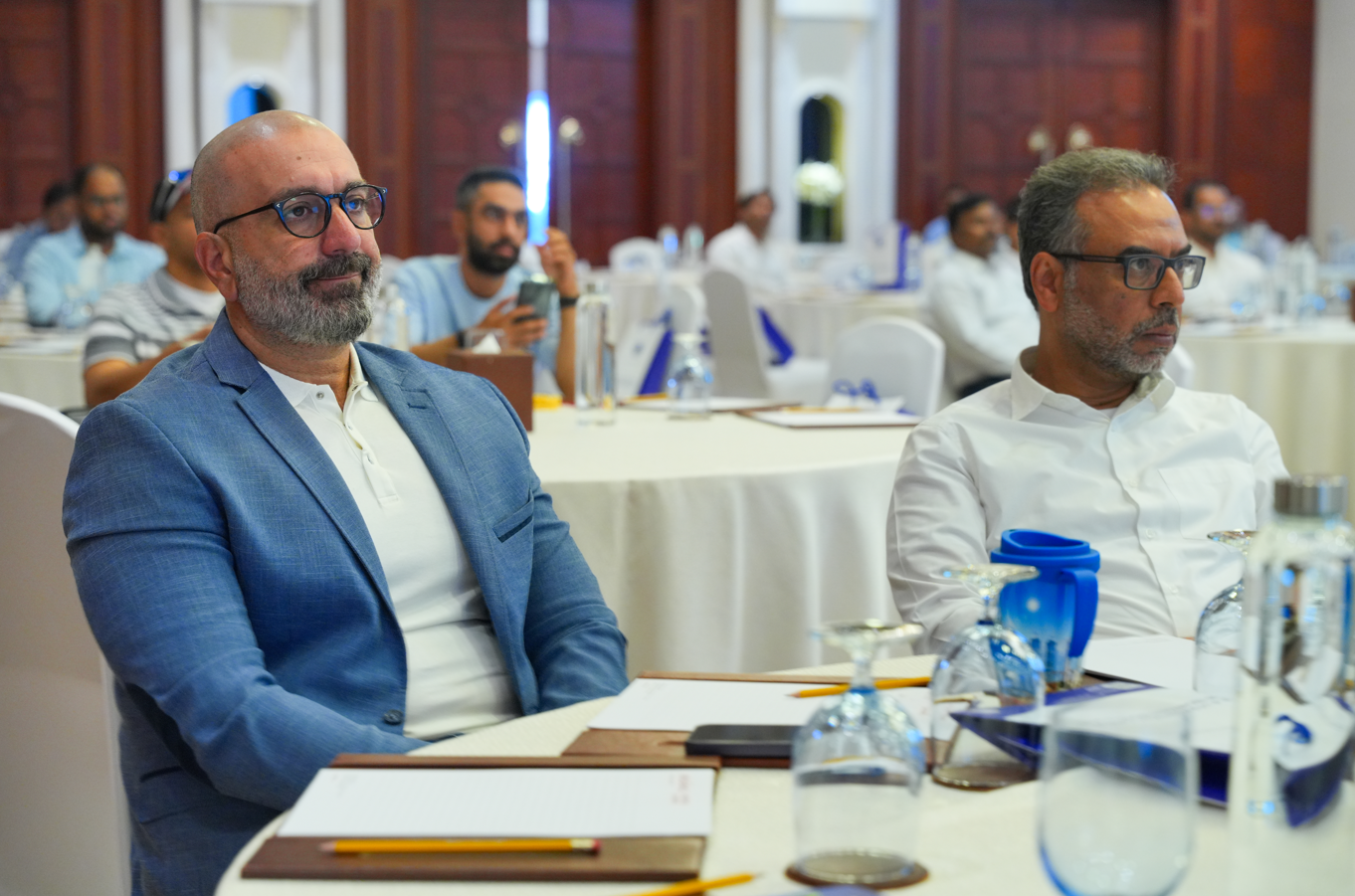
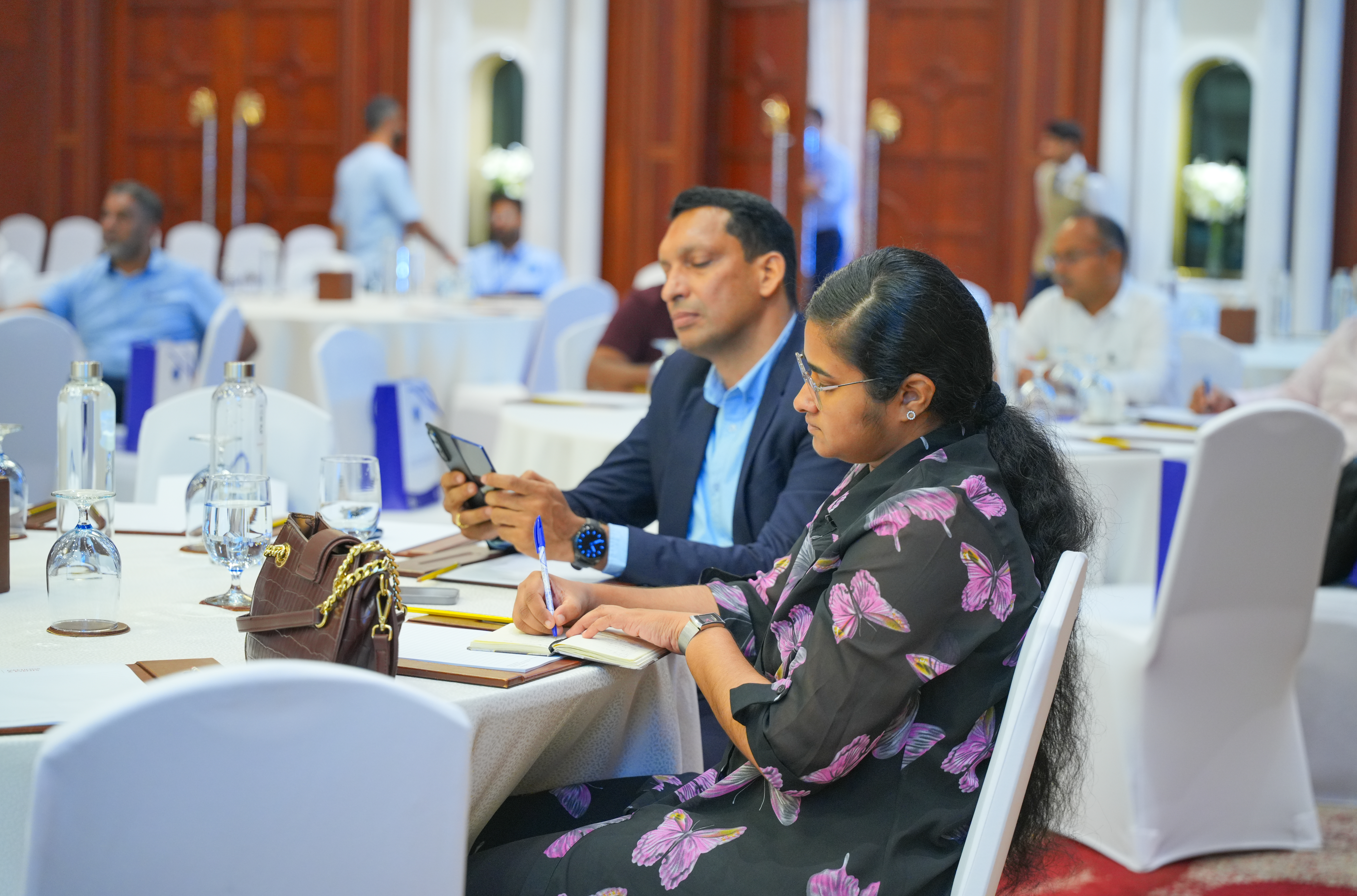
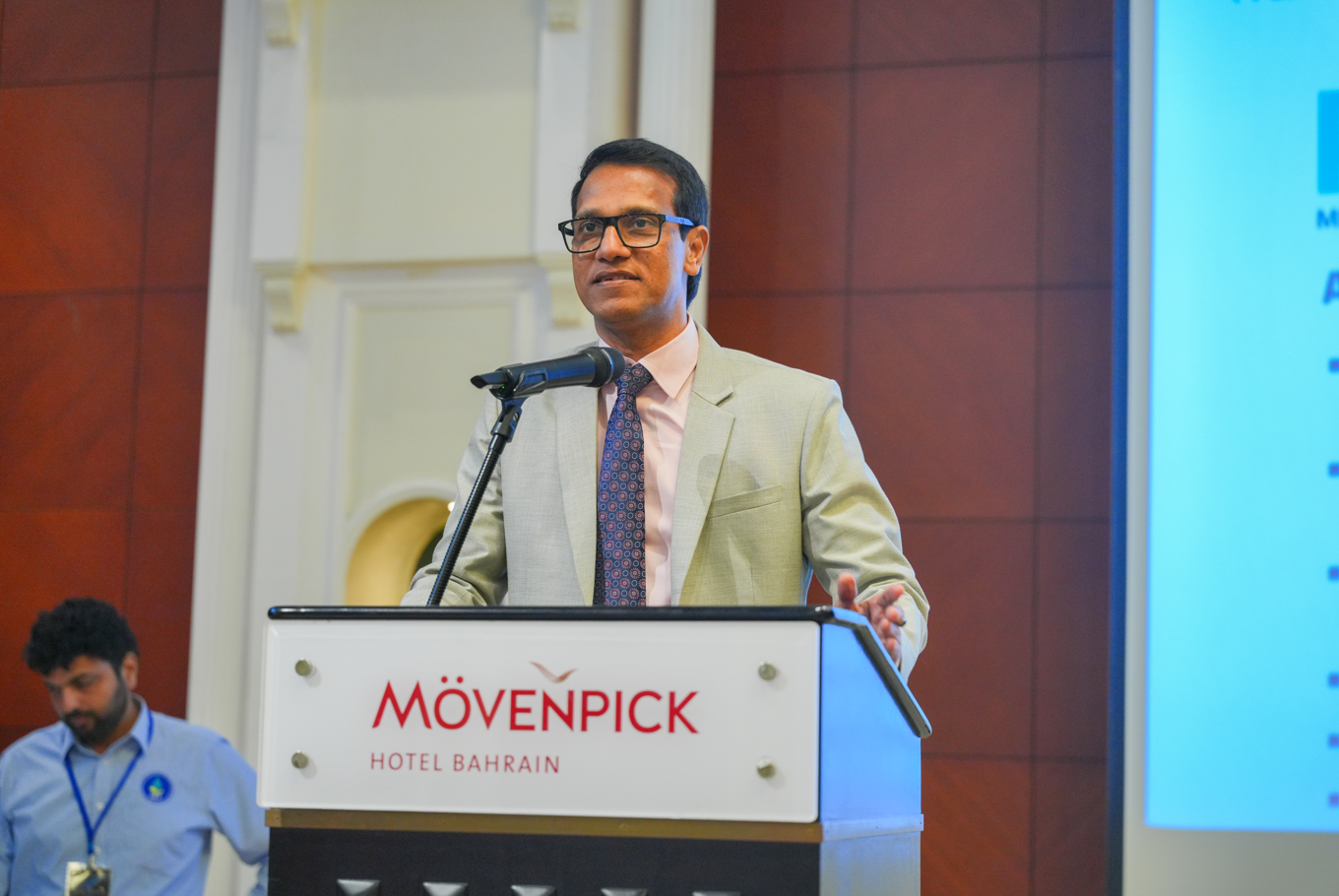
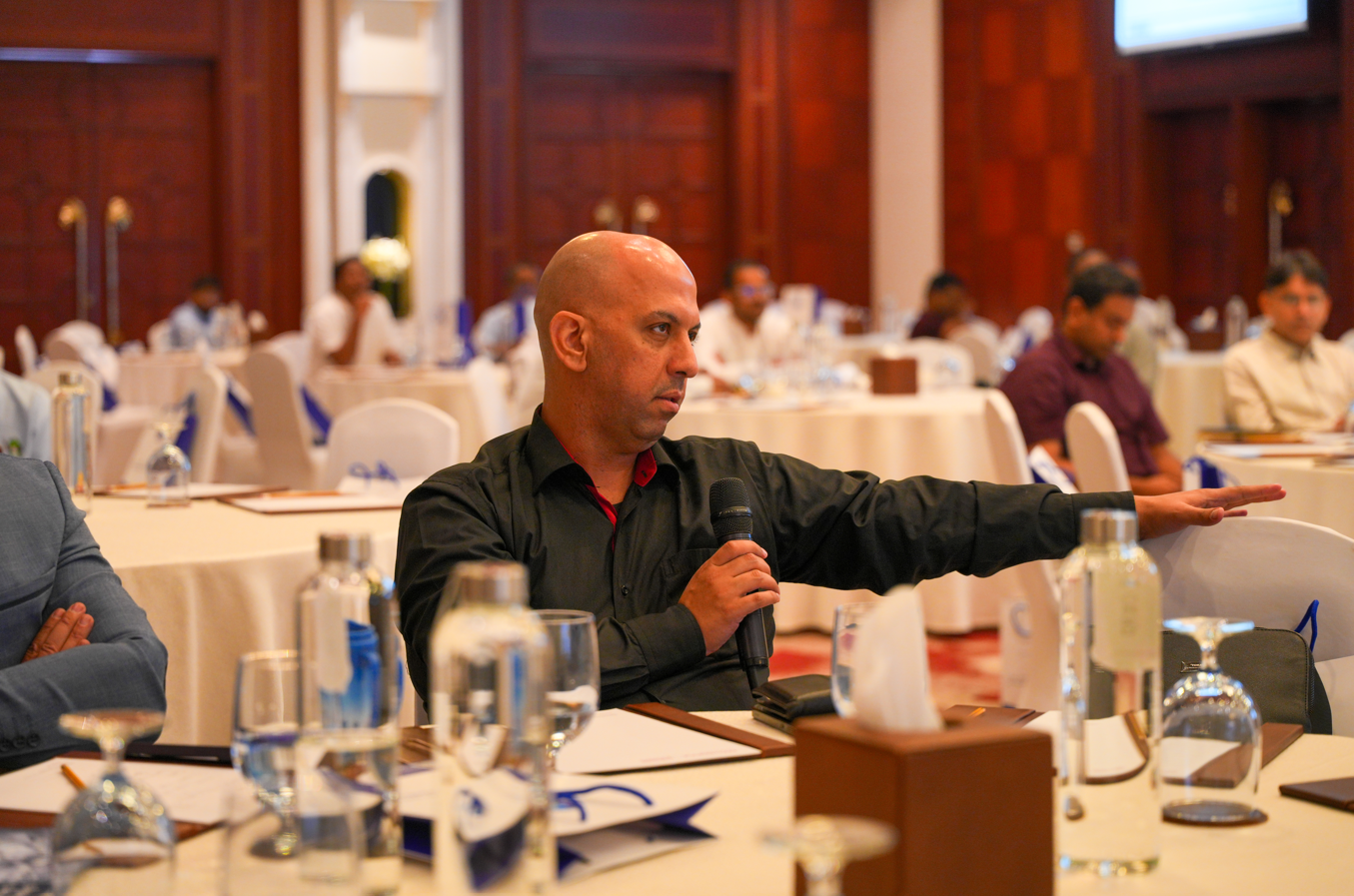
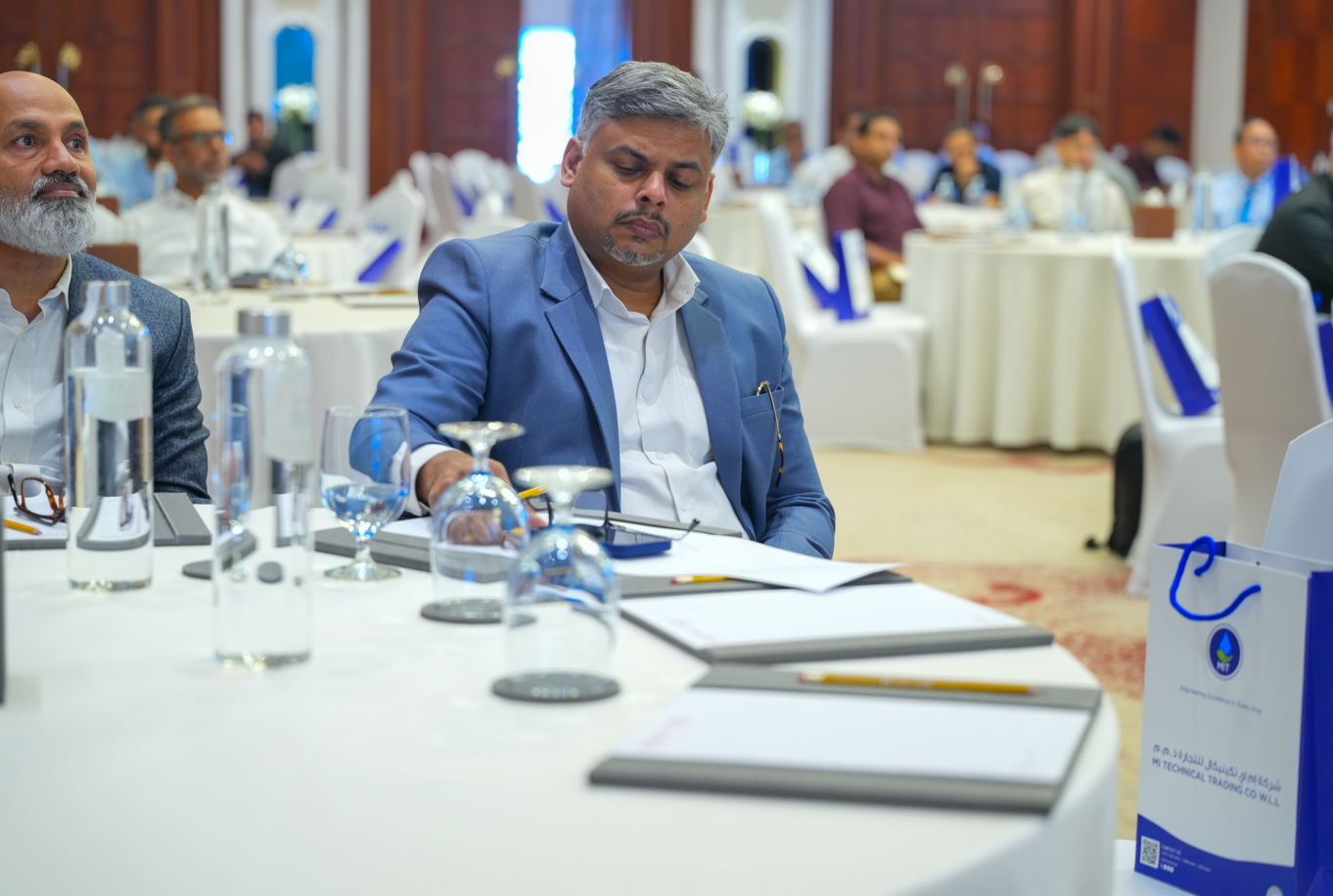
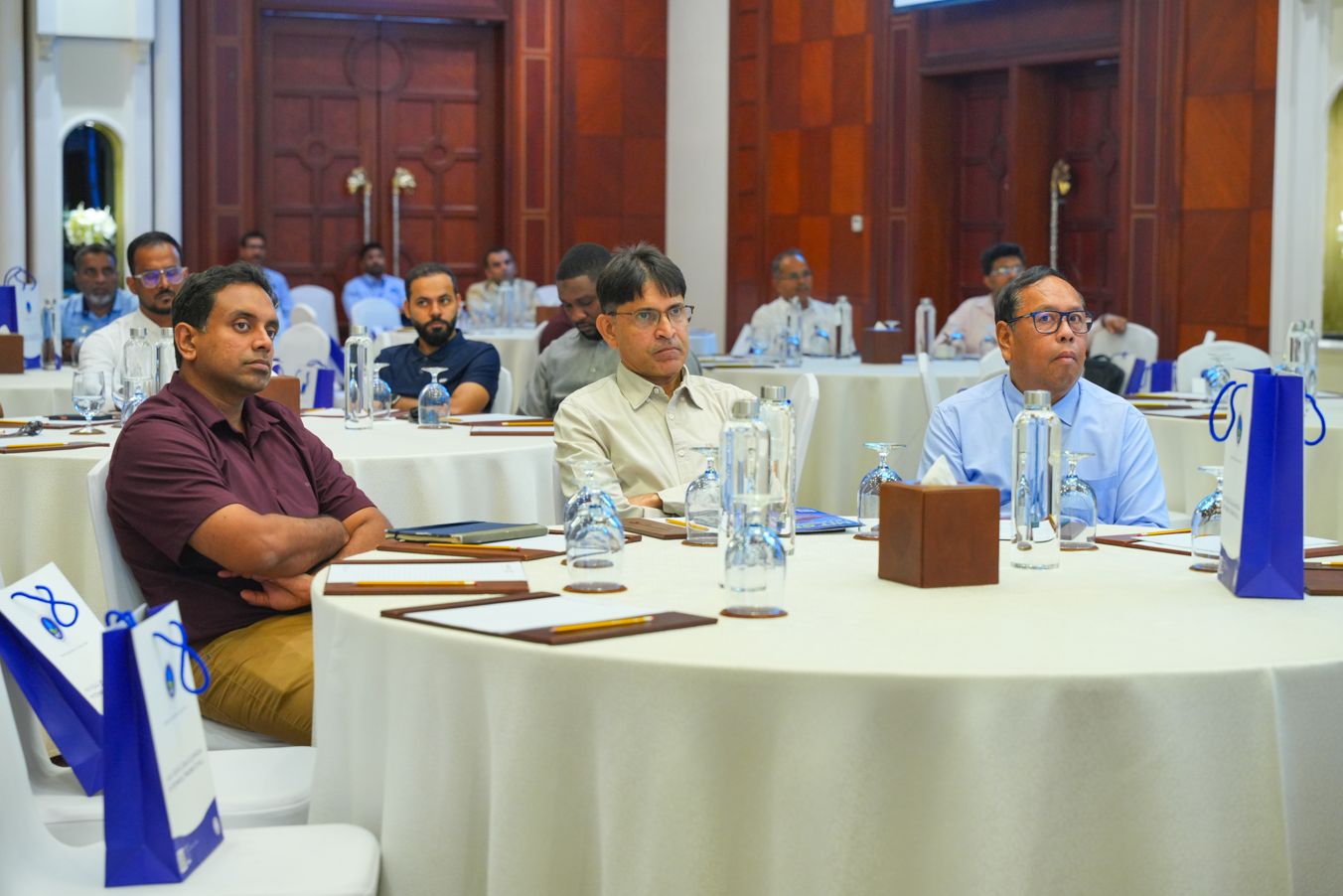
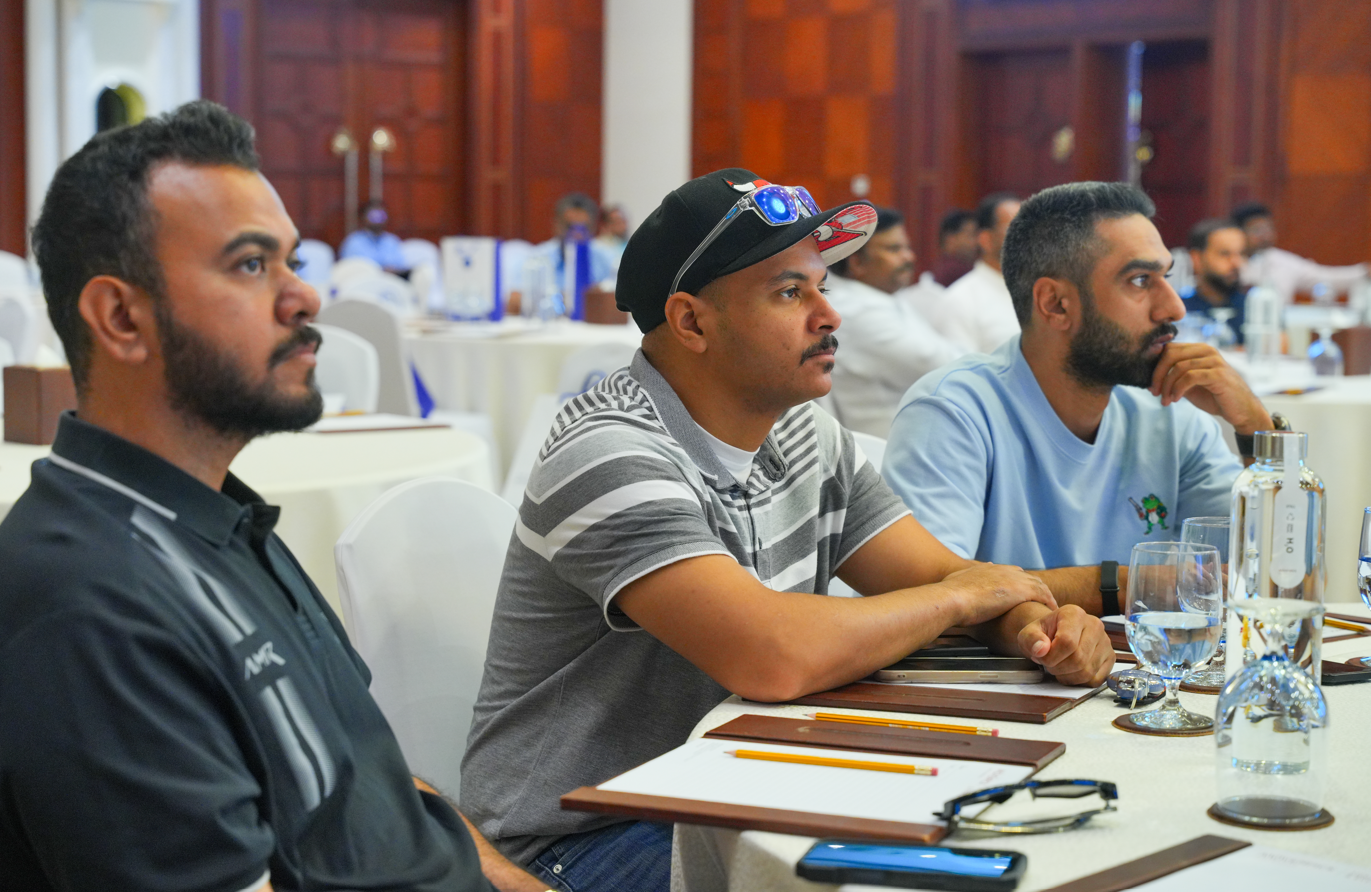
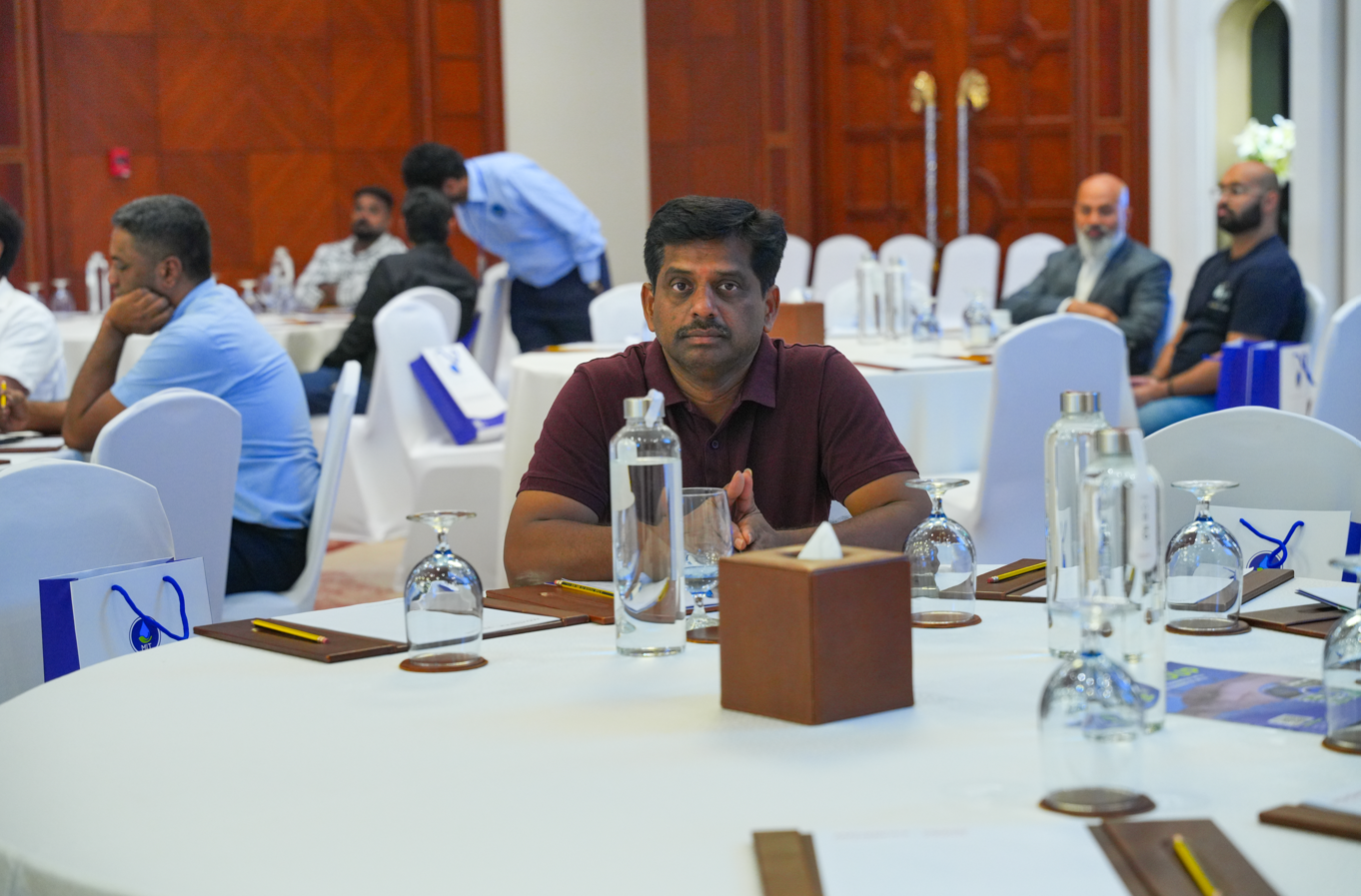
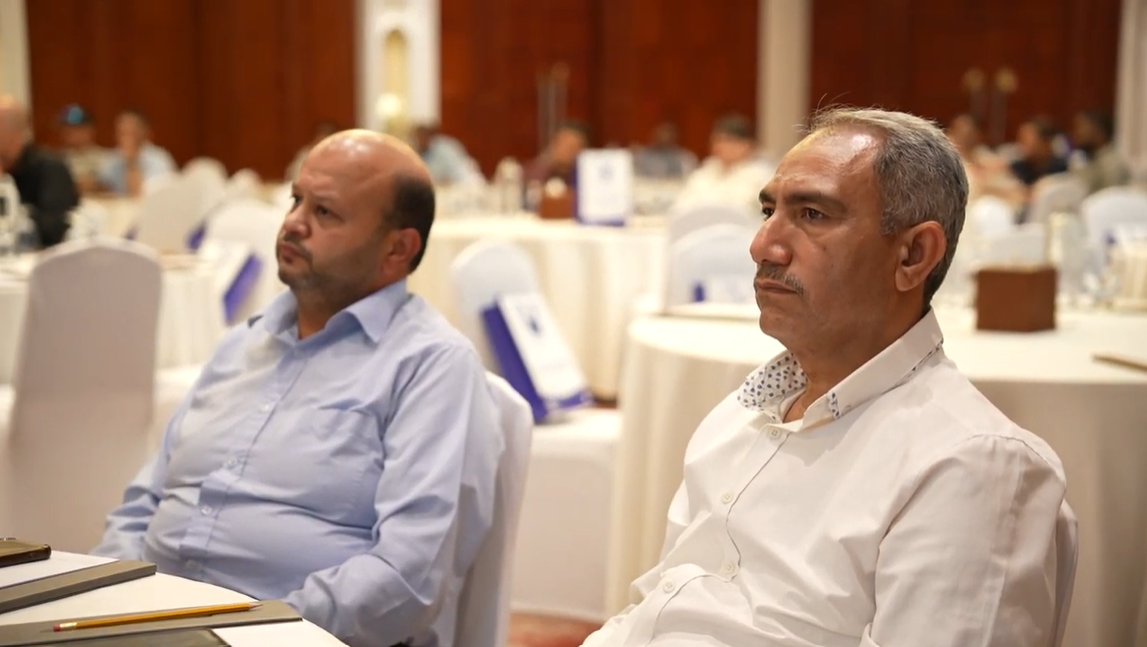
That’s the goal MI Technical Trading Co. W.L.L (MIT) and American Water Chemicals (AWC) set out to achieve. On 14 September 2026, the two companies hosted an exclusive Technical Seminar & Workshop, “Optimizing RO Performance & Reducing Operational Costs,” at the Mövenpick Hotel, Muharraq, bringing together consultants, engineers, and technical teams from across Bahrain’s water treatment industry.
The session gave attendees a close look at AWC’s ultra-low-dose antiscalant chemistry, technology that has already shown its impact in a comparable Middle East SWRO application: over 89% reduction in antiscalant consumption (78 tons/year down to 8 tons/year), inventory needs cut from roughly 3.5 full container loads to just 0.5 FCL, and more than $80,000 in annual savings from reduced chemical and logistics costs, all without compromising membrane performance. For an industry where storage space and import logistics are real constraints, that’s a direct answer to a real problem.
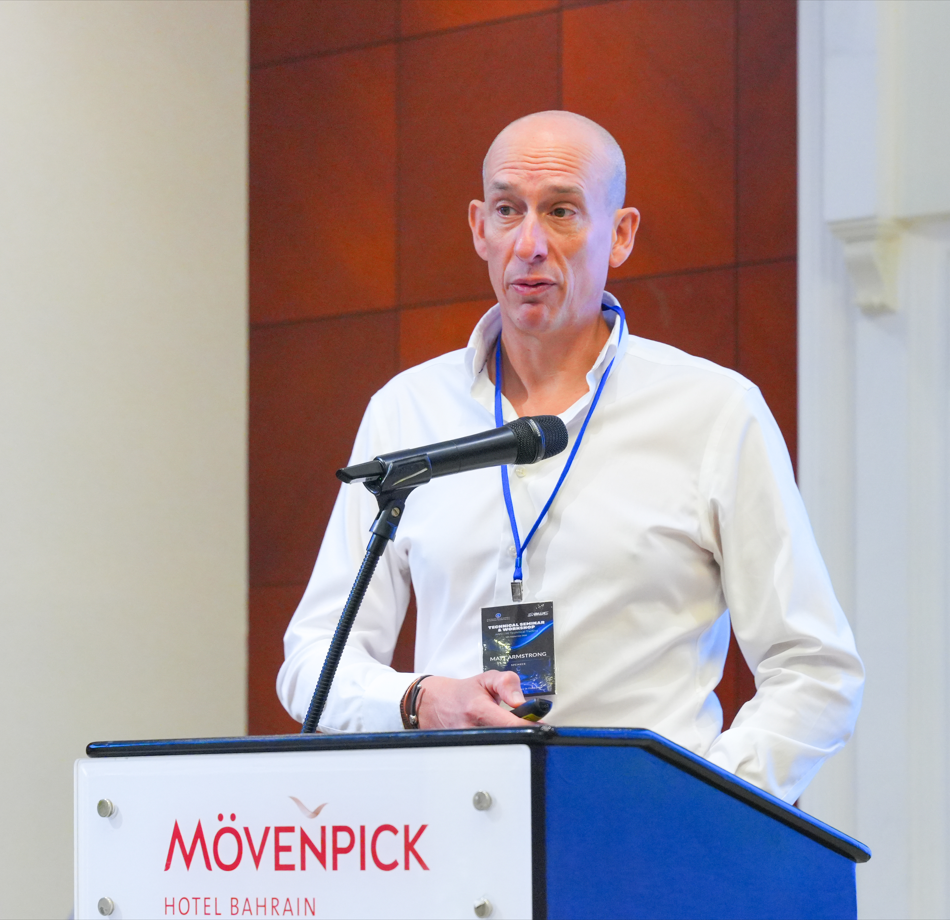
The seminar was led by two AWC specialists. Matt Armstrong, Global Sales Director at AWC, brings more than 25 years of experience in reverse osmosis, nanofiltration, desalination, and water reuse, and has spent his career helping utilities, industrial facilities, and technical partners across Europe, the Middle East, Asia, and Africa improve membrane system performance and reduce operating costs. Matt spoke about AWC’s mission and vision, one built around delivering value through every solution and service they provide to the industry. He shared that AWC invests almost $2 million a year into Research and Development, all in pursuit of the most efficient outcomes for their clients.
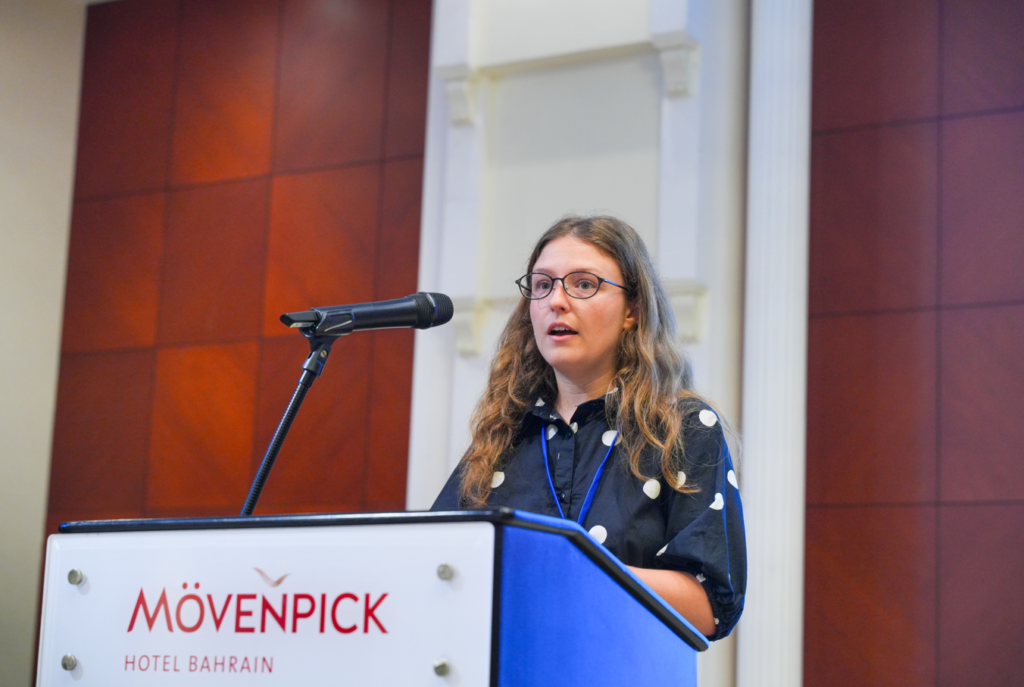
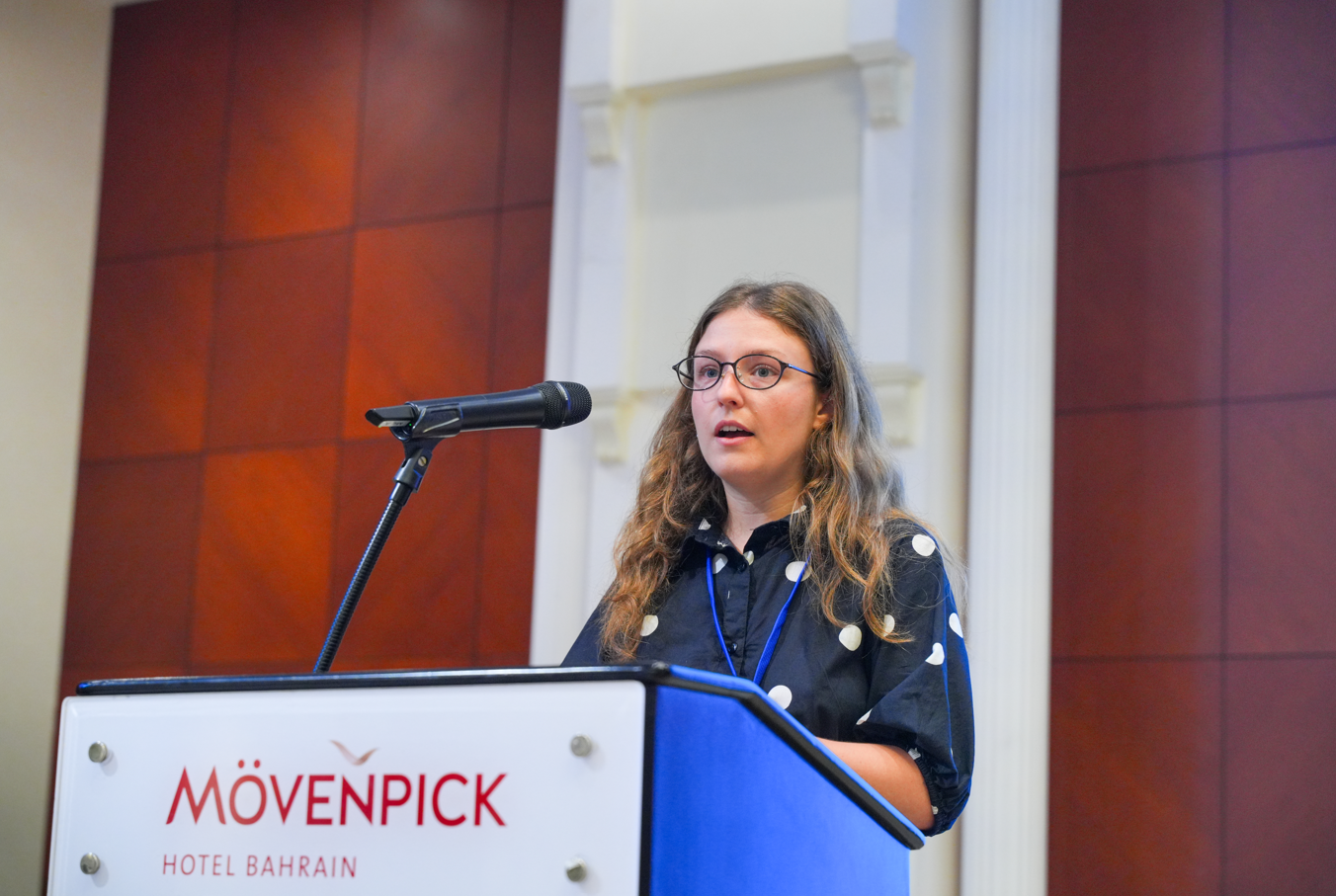
Gabriele Brummer, AWC’s Technical Sales Engineer, Europe Division, who specialised in Reverse Osmosis and Nano Filtration Processes, led the session on RO optimization, walking attendees through scaling and fouling control and how systems can be adapted to different climates and operating environments.
She presented a comprehensive approach to RO plant performance optimization, starting with establishing reliable performance baselines and tracking membrane performance over time. Moving into interpreting operational data and performance trends to identify early signs of fouling, scaling, and hydraulic issues.
Building on this, the session explored how to translate performance data into actionable insights: covering root cause analysis, pretreatment optimization, and membrane cleaning strategies, including CIP chemistry, pH, crossflow, contact time, and cleaning frequency.
Finally, real-world plant operating data were offered along with practical examples and case studies to guide maintenance decisions and reinforce optimization strategies in real applications.
To support this framework in practice, she introduced two of AWC’s proprietary software tools: Proton® and Smooth Operator™:
She demonstrated how these tools can support RO system optimization and performance. The deeply technical concepts were explained in a way that accessible to everyone in the room, whether they were a seasoned engineer or newer to the industry. It was a deep dive into RO optimization that left participants with real, practical takeaways to bring straight back to their plants.
If you’d like to learn more about how these strategies could benefit your RO plant get in touch with our team today.